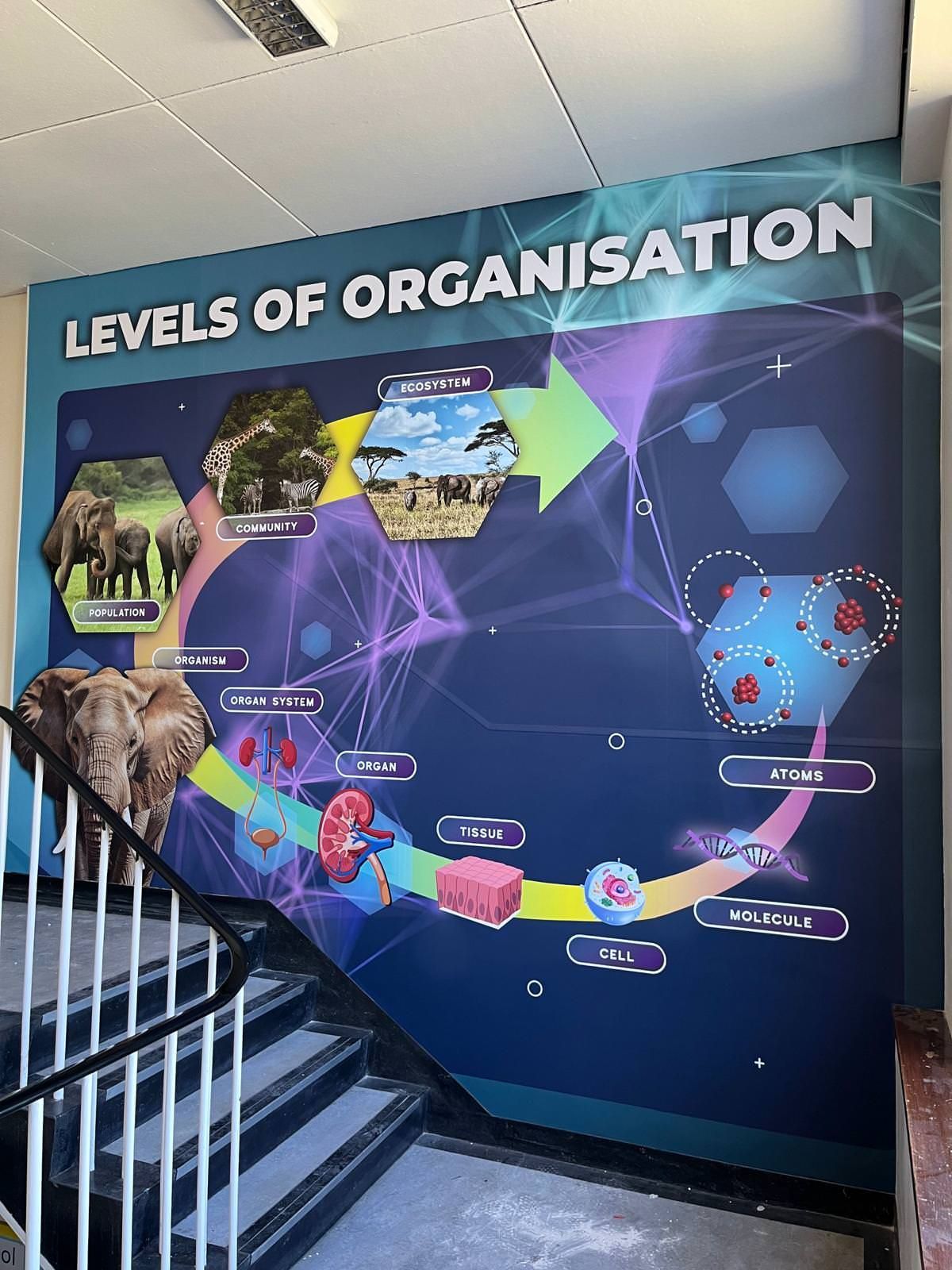
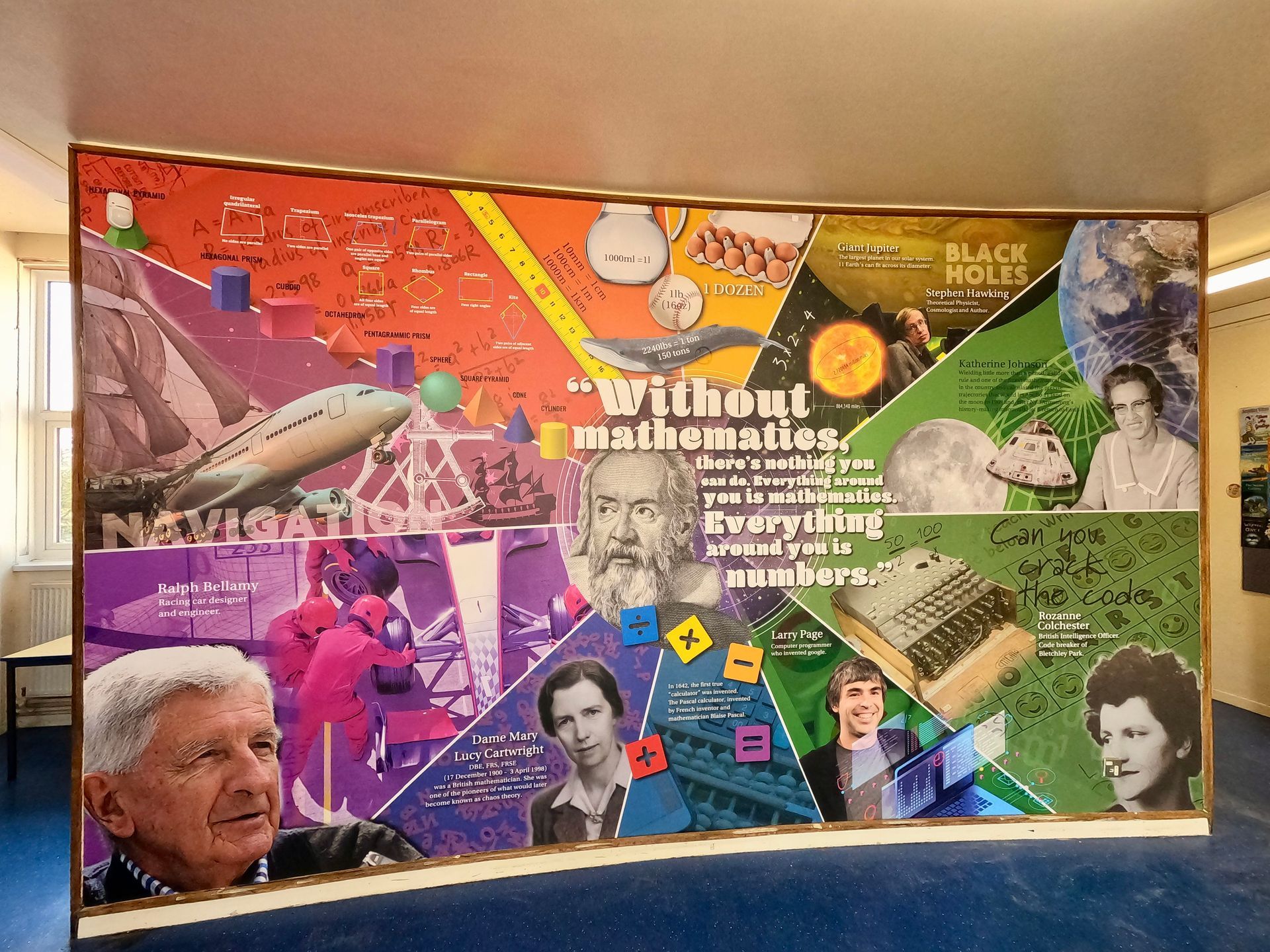
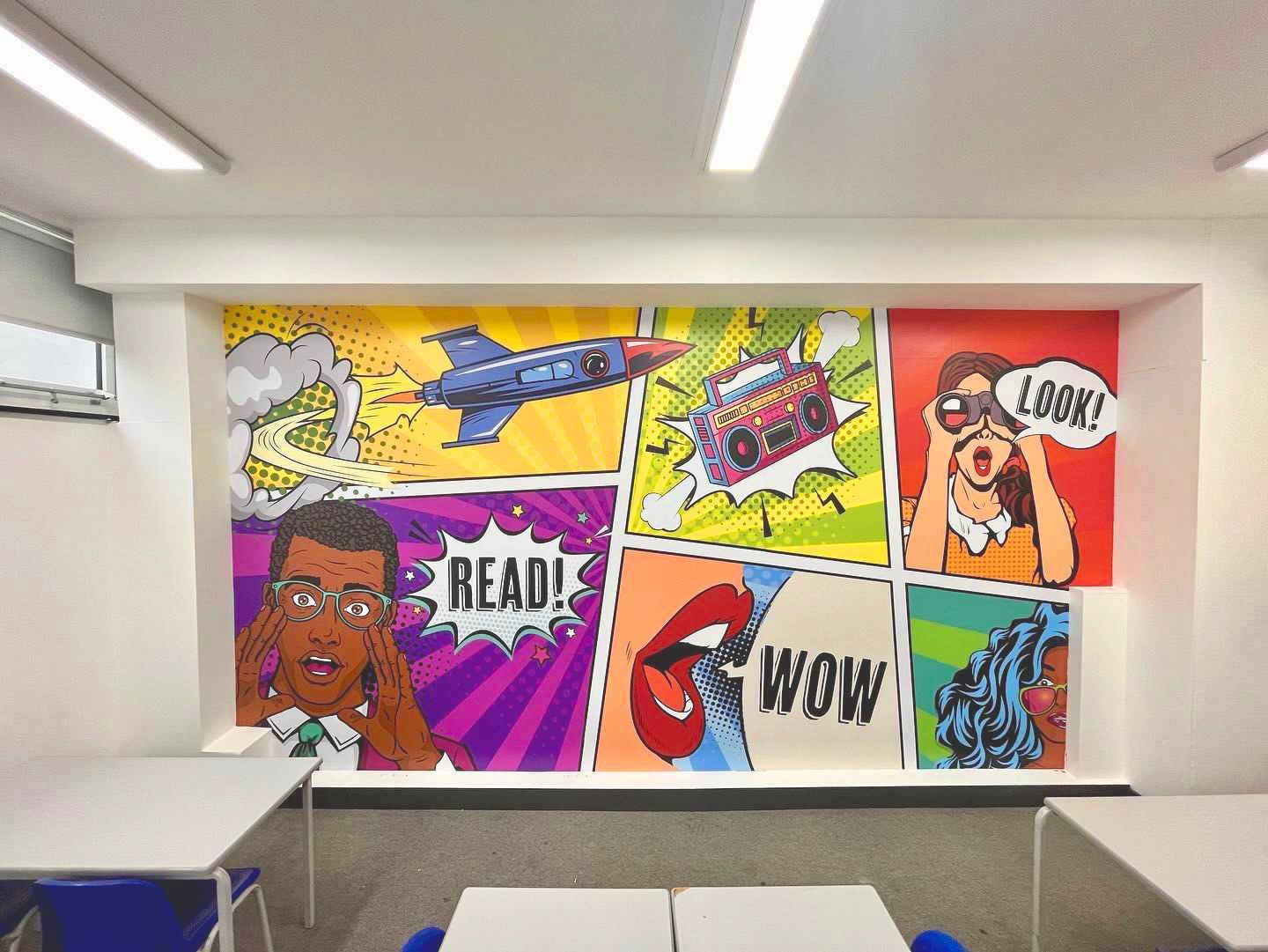
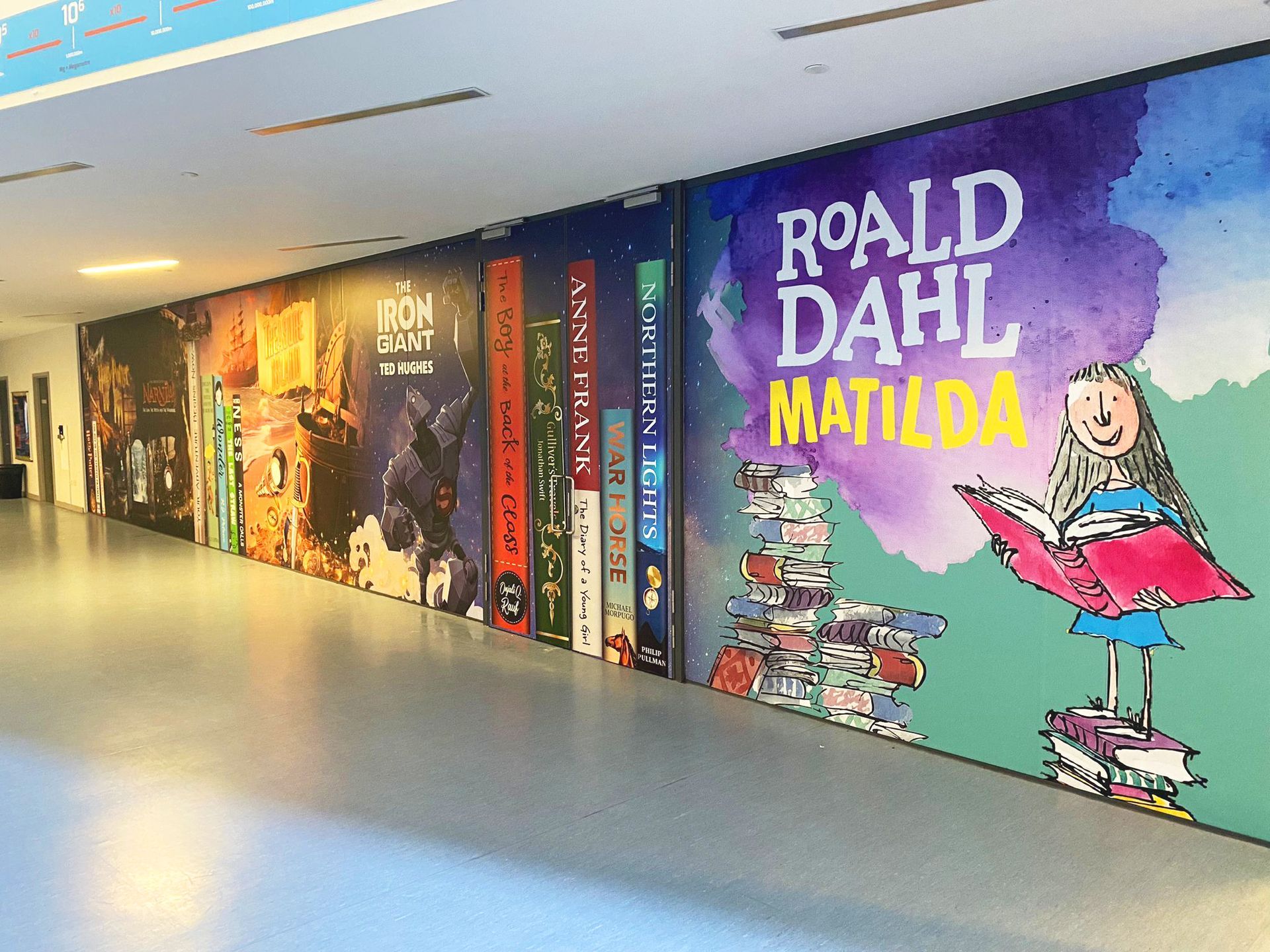
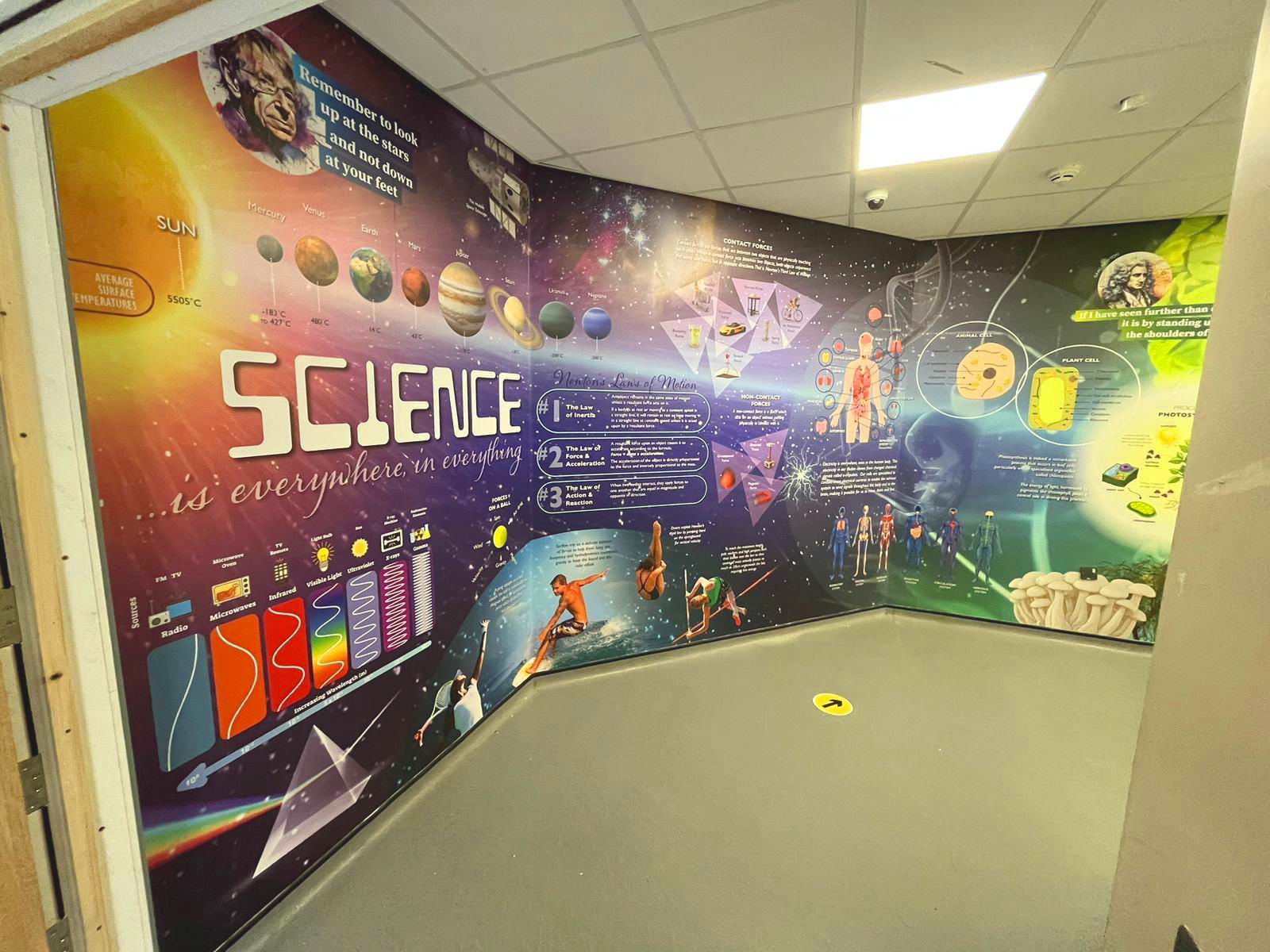
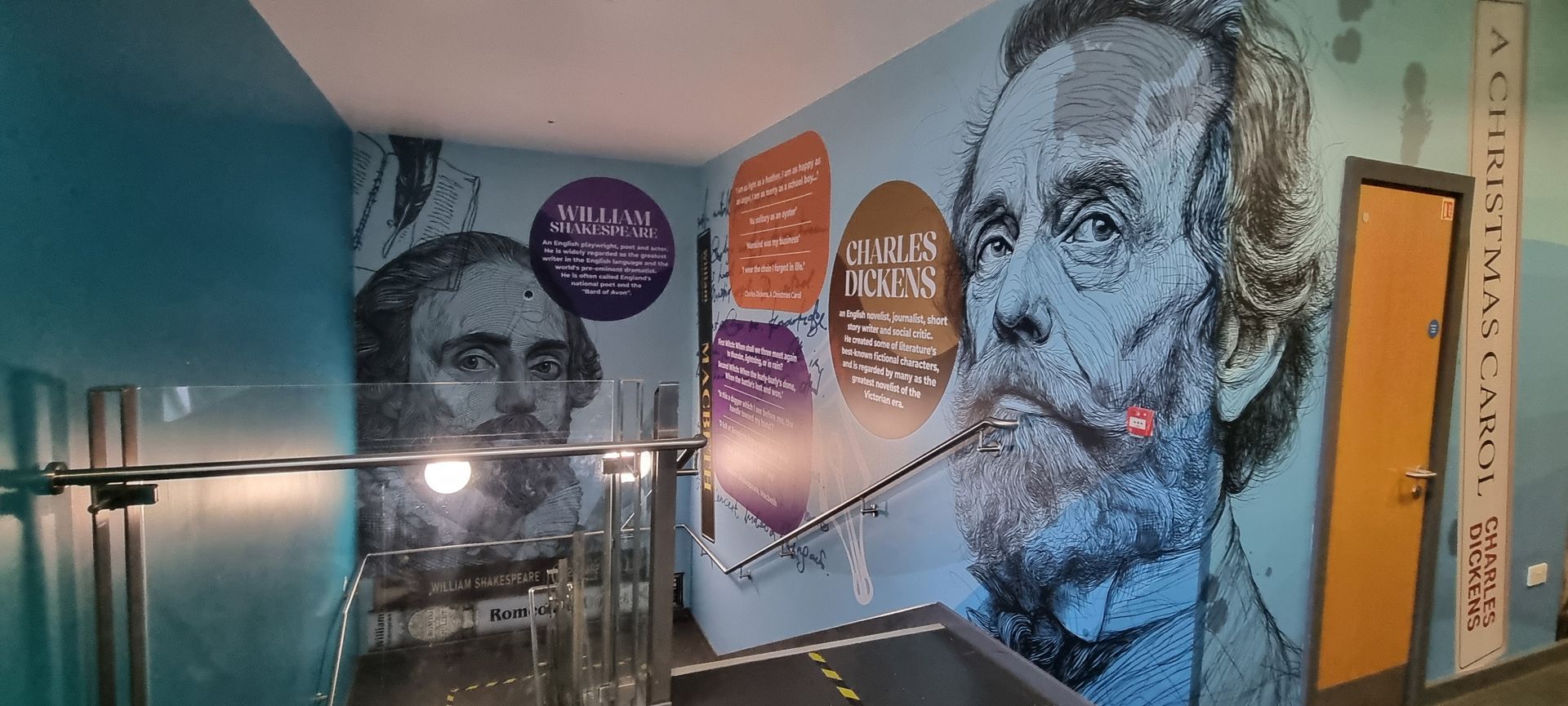
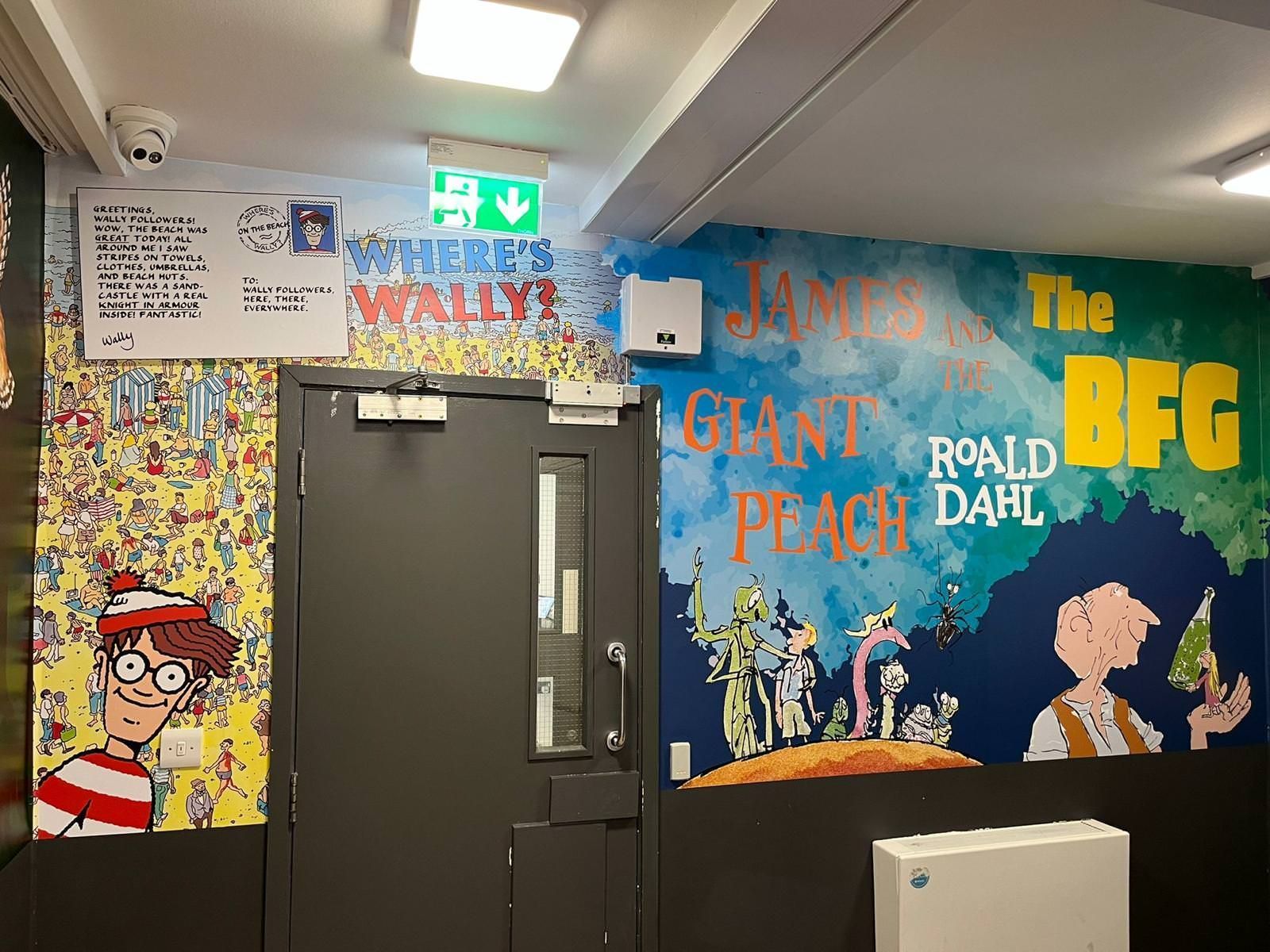
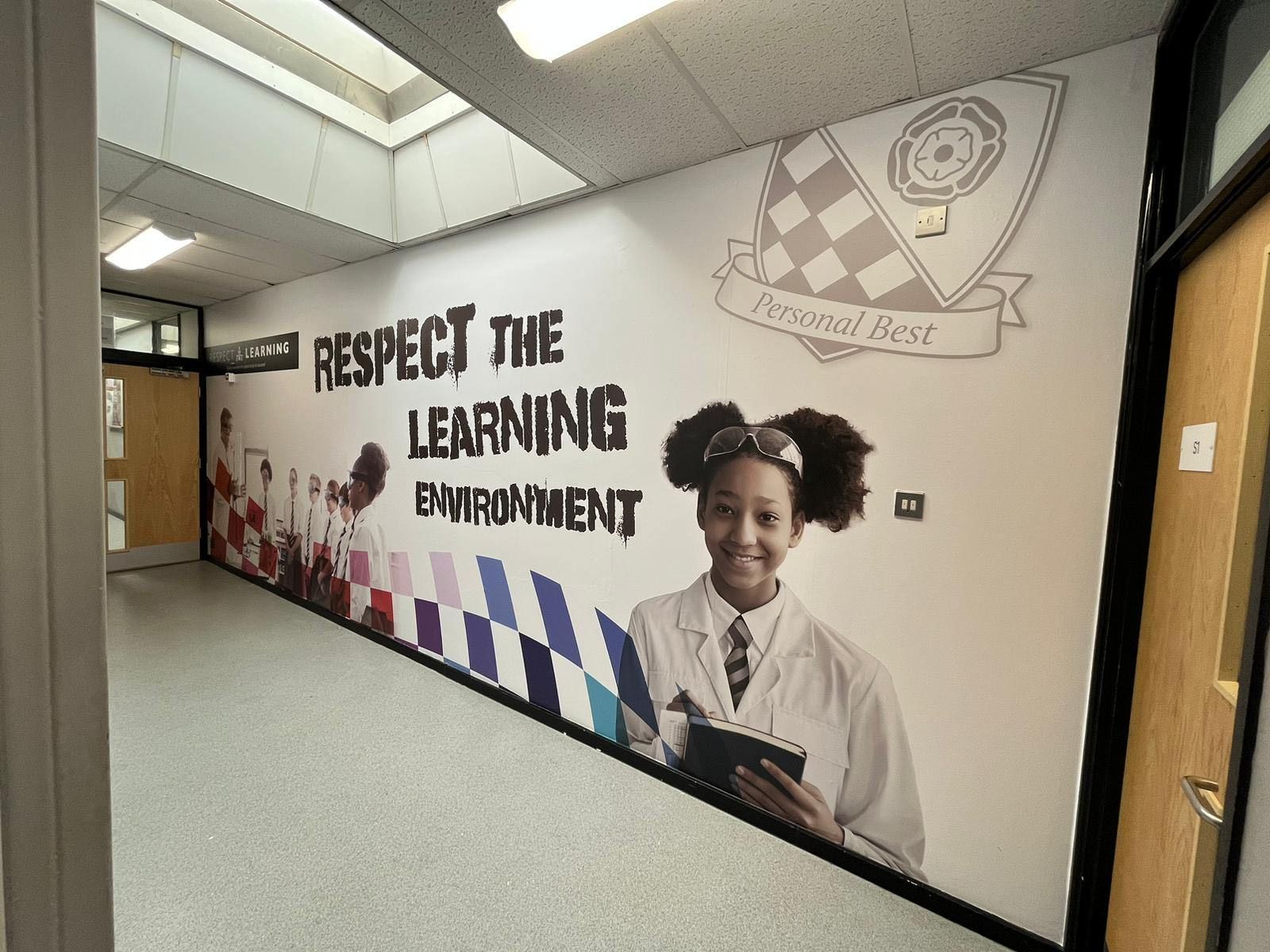
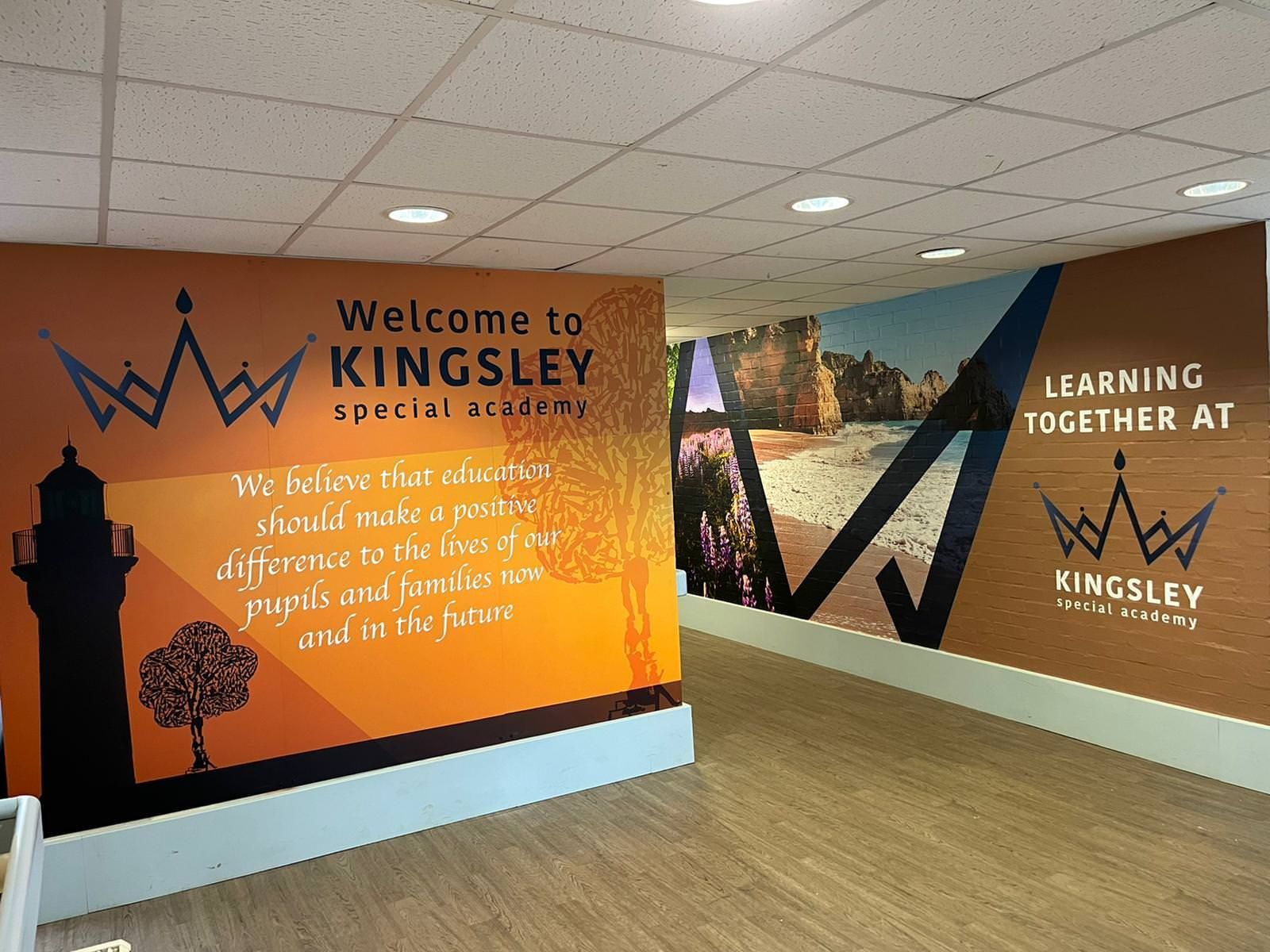
Connecting with the Community; Using graphics that represent the community or cultural background can help foster a sense of belonging and unity showing that the school is a part of the neighborhood.
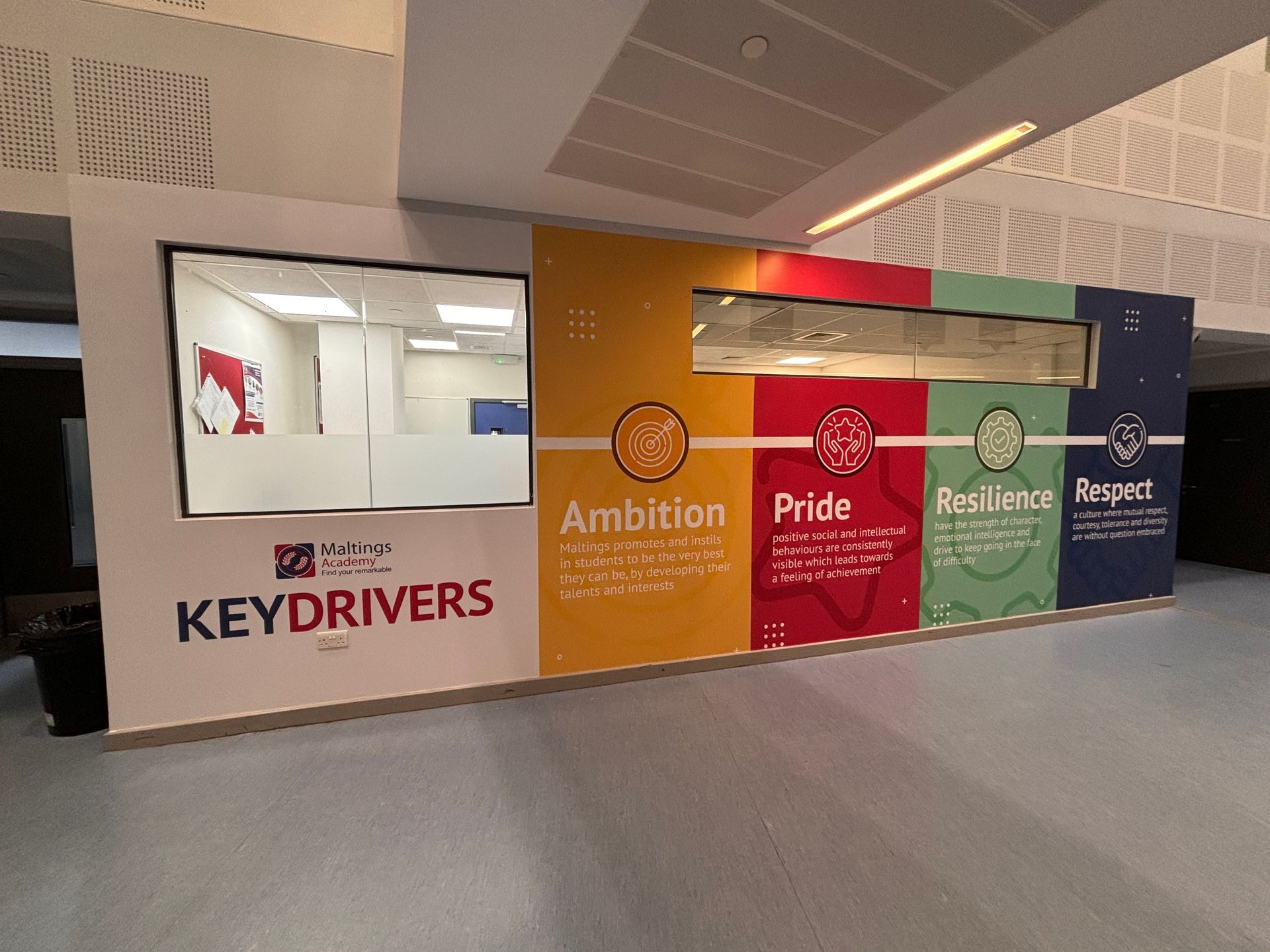
Strengthening Community Bonds with Wall Art
Incorporating wall art that showcases the community or cultural heritage can greatly boost feelings of connection and inclusivity among students, faculty and guests. These visuals indicate that the school plays a role in the community promoting pride and a shared sense of identity. Here are some tips on creating and installing wall art that promotes community ties;
Essential Design Aspects for Community-Oriented Wall Art
1. Local. Symbols;
Illustrations of Landmarks: Feature drawings or photos of known landmarks, historical buildings and significant places in the community.
Symbolic Icons: symbols of the area, such as local flora and fauna, cultural artefacts or town emblems.
2. Cultural Legacy;
Celebrating Traditions: Showcase cultural practices, festivals and events cherished by the community.
Preserving History: Share narratives about the area's past through timelines, maps and noteworthy historical figures.
3. Recognizing Community Achievements;
Local Heroes; Highlight stories and images of members within the community, like leaders, artists and other impactful individuals.
- Projects Involving Students and the Community: Showcasing efforts between the school and the local community, highlighting shared accomplishments and joint initiatives.
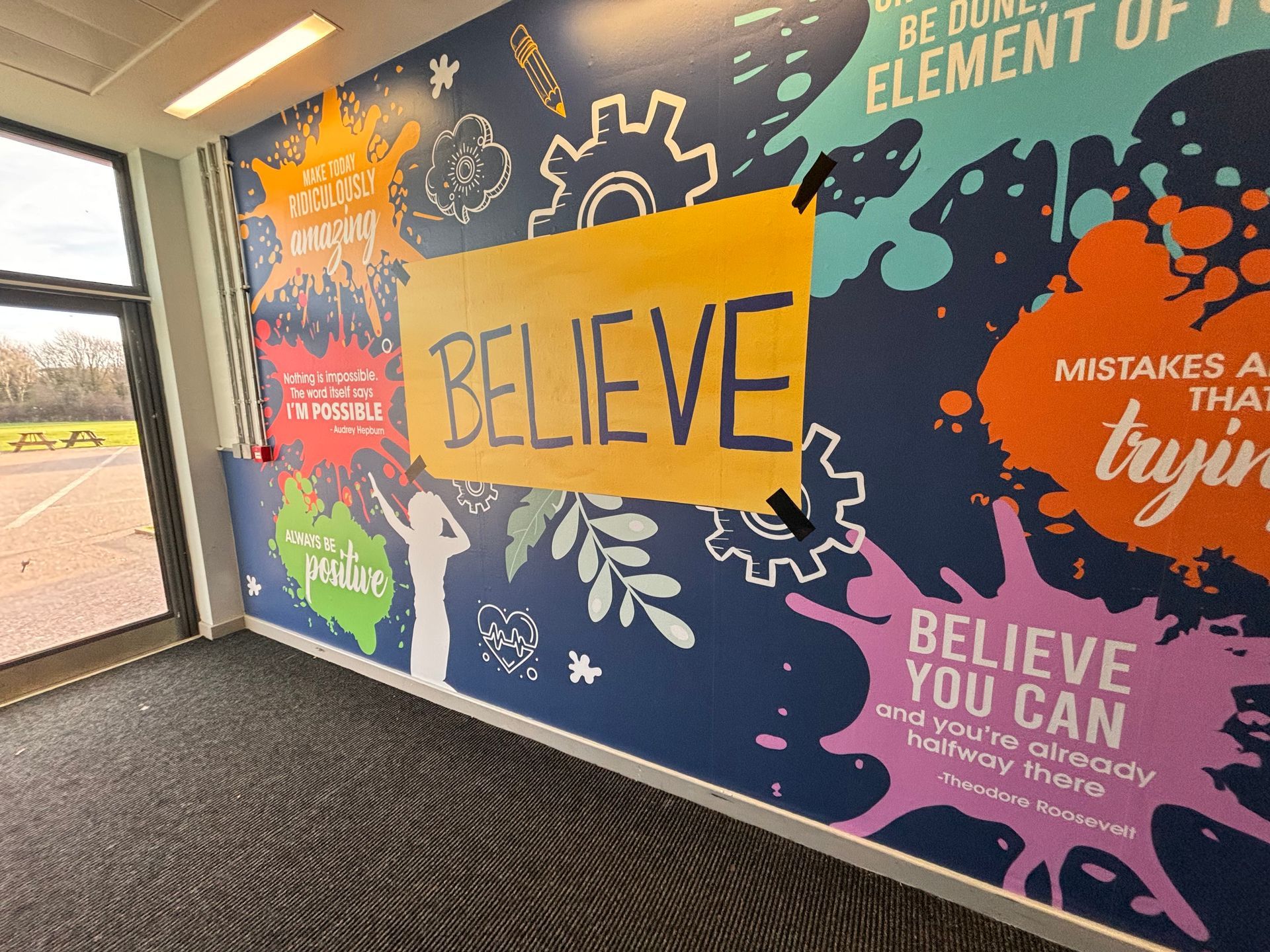
1. Embracing Diversity;
Cultural Representation; Portraying the tapestry of both students and the community ensuring that every group feels seen and appreciated.
Student Art Showcase: Presenting artwork crafted by students that celebrates their backgrounds and personal stories.
Placing Community Centric Visuals Strategically
1. Welcoming Visitors in Entrance Areas;
Artistic Murals: Crafting inviting murals featuring landmarks and cultural symbols to convey the school's connection to its community.
Community Notice Boards: Utilizing physical boards to share news about the community's upcoming events and collaborative endeavours between the school and local organisations.
2. Enhancing Hallways and Corridors;
Cultural Heritage Displays; Designing themed hallways that honor culture and history through colors and engaging visuals for an inviting educational experience.
Interactive Area Maps: Incorporating maps of the surrounding area with elements to provide information on sites along with their historical significance.
3. Professional Implementation;
Skilled Installation Team: Engaging installers to ensure graphics application without any alignment issues or damage concerns.
Make sure the graphics blend in well with the school's architecture and design.
Maintenance and Updates;
Upkeep: Plan maintenance to maintain the graphics appeal and vibrancy.
Updating Content: Schedule periodic updates to keep the information current, reflecting community accomplishments and cultural advancements.
Implementation Strategy
Collaborative Design Process;
Engage with the Community; Involve historians, artists and community leaders, in the design process to ensure accuracy and cultural relevance.
Incorporate Student and Teacher Feedback: Gather input from students and teachers to include their perspectives and ensure that the graphics represent the school community's values.
Material Selection;
Choose eco materials that align with sustainability values for long-lasting graphics.
Safety First: Use toxic materials that meet safety standards.
Professional Installation;
Hire experts for installation to ensure an application of the graphics without alignment issues or damage.
Seamless Integration: Ensure that the graphics seamlessly blend with the school's architecture and design.
Maintenance and Updates;
Upkeep: Schedule maintenance to preserve the graphics' freshness. Keeping the content fresh and up to date is important. It's essential to update the content to reflect the community's accomplishments and cultural advancements.
Here are some examples of wall graphics that focus on the community;
1. Welcome Mural;
Design: A mural placed at the entrance featuring illustrations of landmarks, cultural symbols and a welcoming message in languages spoken in the community.
Impact: It leaves an impression showcasing the school's ties to the local area and its commitment to inclusivity.
2. Cultural Heritage Hallway;
Design: Adorned with murals depicting events, cultural festivals and traditional attire of the local community.
Impact: Educates both students and visitors about the area's heritage, promoting respect and admiration.
3. Community Wall;
Design: A display highlighting community initiatives, student contributions, and collaborations between the school and community groups.
Impact: This exhibit highlights the school's involvement in the community while celebrating achievements from students and local partners.
4. Interactive Map;
Design: A map of the area with historical information, interesting facts, and stories about significant locations.
Impact: Involves students in learning more about their community, fostering a sense of belonging and pride in their surroundings.
Examples of Wall Graphics for Telling Stories
1. Historical Journey Display;
Design: A timeline showcasing milestones in the school's history, such as founding moments, notable achievements and distinguished alumni.
Impact: Offers visitors and students a glimpse into the school's legacy and growth over time.
2. Accomplishment Gallery;
Design: A display wall featuring academic, sports and extracurricular successes through a combination of photographs, trophies and descriptive narratives.
Impact: Commemorates the achievements of students and faculty members, fostering a sense of pride and motivation.
3. Alumni Experiences Showcase;
Design: Profiles featuring alumni with their photos, career highlights, and reflections on their time at the school.
Impact: Highlights the enduring influence of the school on its graduates, inspiring students through real-life success stories.
4. Cultural Diversity Mural;
Design: Visual representations celebrating the traditions and events within the school community using colourful imagery and engaging descriptions.
Impact: Cultivates a culture of inclusivity and appreciation for diversity that makes every student feel respected and represented.
Closing Remarks
By using wall graphics to showcase community values and cultural heritage, schools can forge connections that resonate with students, faculty and guests.
These visuals improve the school's aesthetics by highlighting its importance in the community and boosting a sense of pride and unity. This strategy shows the school's dedication to embracing differences and creating an environment that ensures it is a motivating space for everyone.